It’s the monthly promo review. The bundle, a snack plus a drink for a little less than buying both, is on slide four. Redemptions came in under plan. Again.
Someone says what everyone’s thinking: “It’s not attractive enough. Let’s go from 10% off to 20%.” Heads nod. It’s the obvious move. It’s also the expensive one, because the bigger discount goes to every customer who takes the bundle, including the ones who’d have taken it at 10% anyway.
Nobody in the room asks a simpler question: How many times has it actually been offered?
How promos get judged
In most QSR chains, a promo lives or dies on one number: redemptions, pulled from the POS. If redemptions are high, the promo worked. If they’re low, the offer was wrong. So the fix is usually to change the offer: deepen the discount, swap the item, try a new mechanic.
That logic isn’t silly. Price matters, and some promos really are too weak to move anyone. If you’ve ever watched a “buy two, save Rp2,000” deal sit untouched for a month, you know the feeling.
A promo nobody hears isn’t a promo
The belief underneath goes like this: if guests don’t take the offer, the offer isn’t good enough.
But a redemption needs two things to happen. The customer has to hear about the offer, and then decide they want it. The POS only sees the end of that chain. A promo nobody mentioned and a promo everybody turned down look exactly the same in the redemption report.
So before you ask whether the discount is big enough, ask whether anyone’s saying it. Uptake = how often it’s offered × how often guests say yes. You can only fix the second number once you know the first.
What the counter actually sounds like
From the Nimbly Echo pilot at Auntie Anne’s, we found a 24-percentage-point gap in offer rates. Cashiers working from the same script differed by 24 points in how often they made the offer at all. Same kiosk format, same menu, same promo. Some guests heard about it. Many didn’t. That gap matters more than the size of the discount.
Here’s a rough comparison, with made-up inputs. Say cashiers currently make the offer to half of guests, and half of those say yes. That’s 25% uptake. Get the offer said to 80% of guests at the same acceptance rate, and uptake rises to 40%, without changing the price at all. Doubling the discount, on the other hand, costs you margin on every bundle you sell, including the ones you’d have sold anyway.
Before you change the price, check the sentence
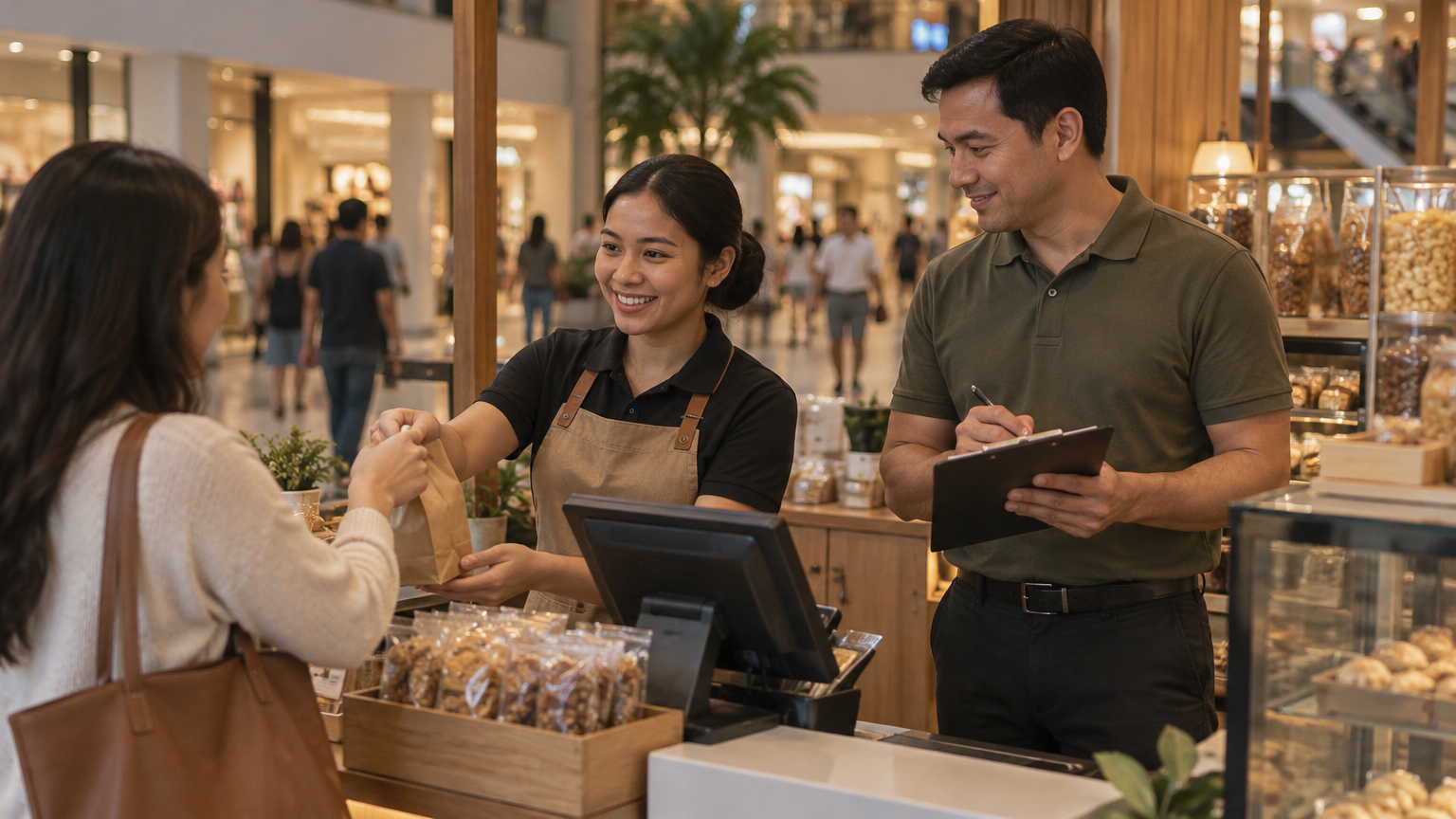
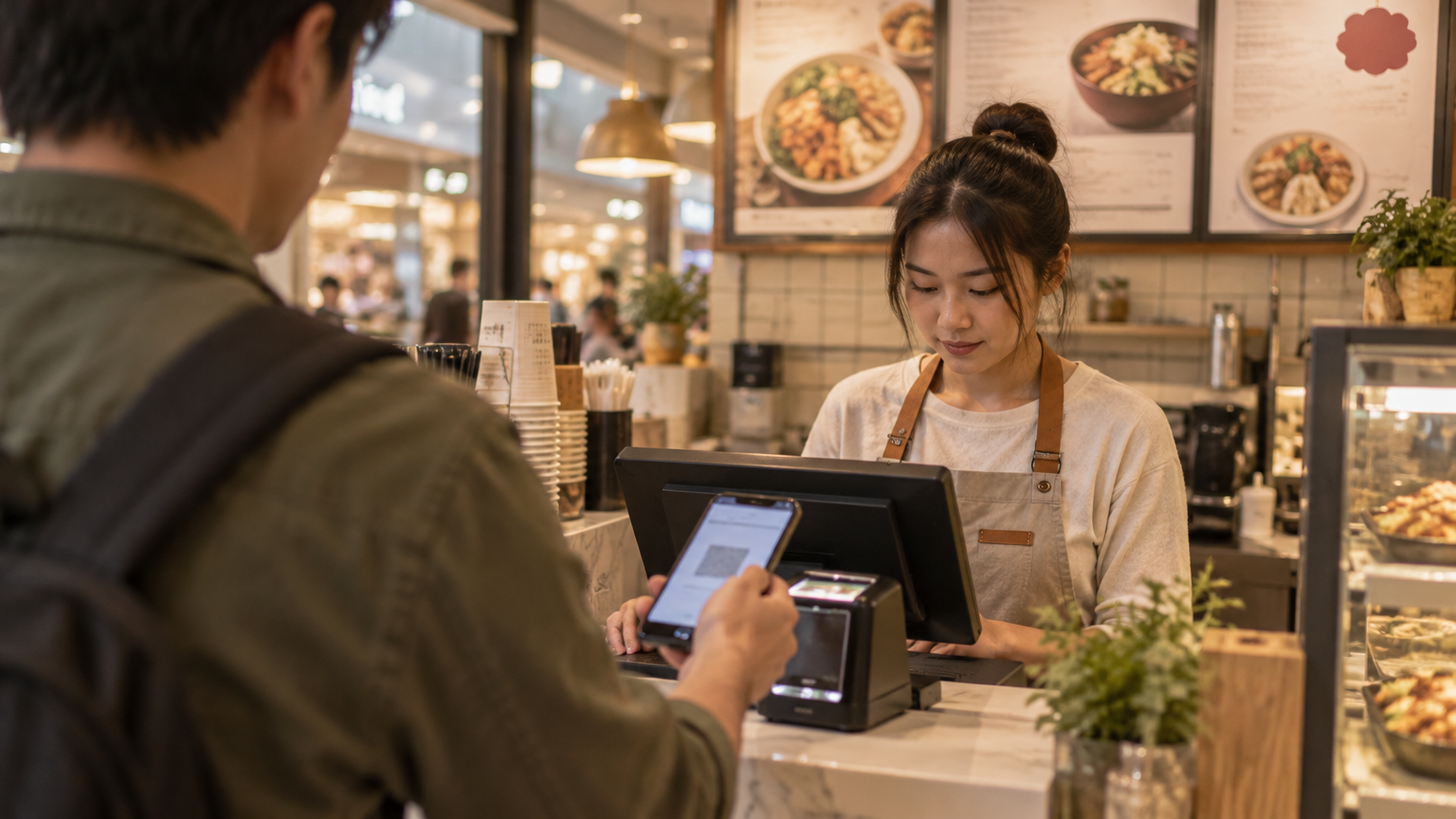
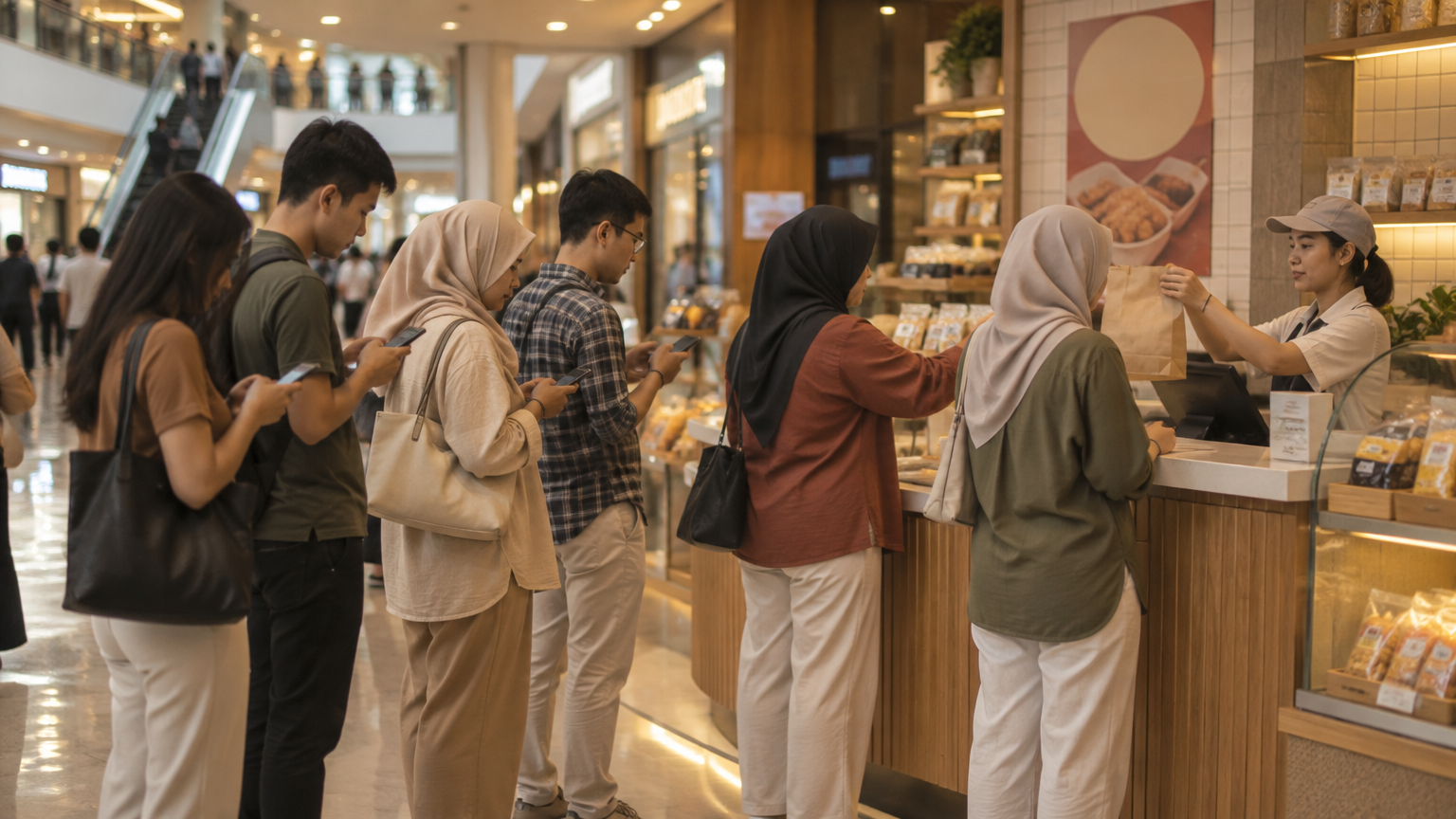
At the counter, the cashier’s sentence is the promo. The poster and the menu board help, but for a guest in a queue, the deal only exists if someone says it.
- Count the offers. Have a manager listen to 20 transactions per shift for a week and tick whether each guest heard the promo. That tick rate is your offer rate.
- Find where it drops. Break the offer rate down by outlet, shift and hour.
- Close the gap to your best. Your best outlet or shift is the benchmark. Share each outlet’s offer rate weekly and coach the rest toward it: every guest hears the promo, every time.
- Only then decide on depth. Once guests are hearing it consistently, look at how many say yes. If they hear it and still say no, now you know the offer needs work.
How can Nimbly help?
Nimbly Echo captures and analyzes conversations at the counter, showing how often each promo is offered, how it’s worded and how guests respond, by outlet and by shift. You’ll know whether a promo needs a bigger discount or just someone to say it.